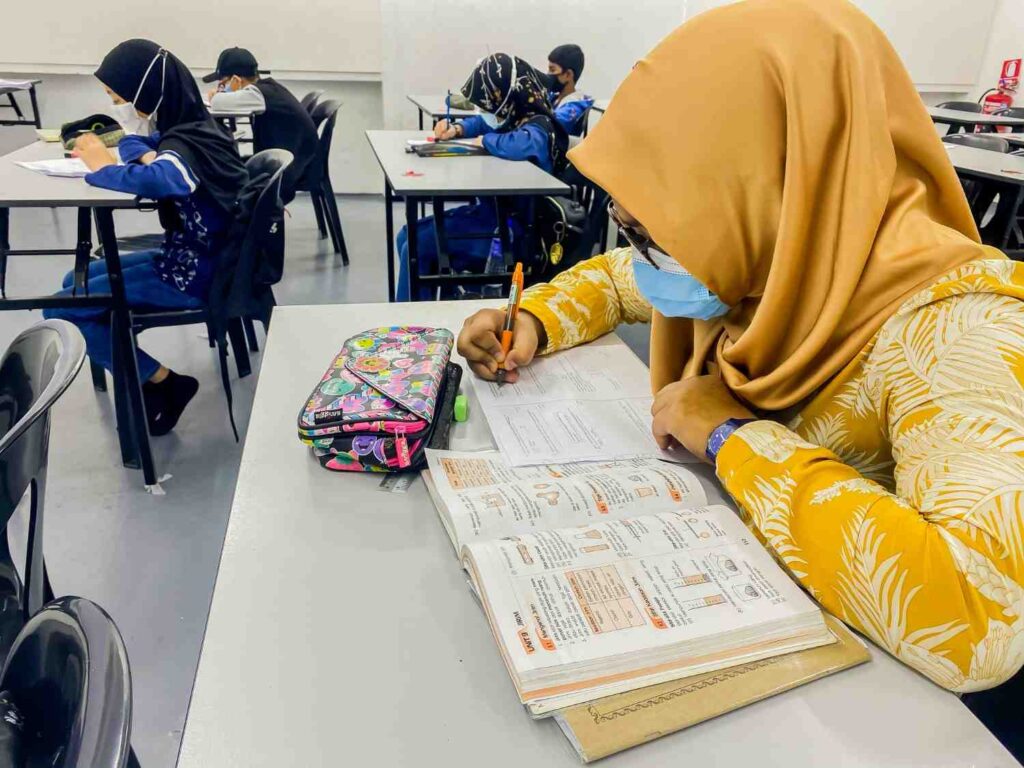

10 Tips for Adapting to a New Academic System Without Stress
By Mental Health Team

10 Tips for Adapting to a New Academic System Without Stress

Starting fresh in a new academic system can feel overwhelming. Different teaching styles, grading methods, and cultural expectations often leave students confused and stressed. The good news is that with the right strategies, you can adjust smoothly and build confidence without burning out.

Here are 10 simple, practical tips to help you adapt to a new academic system without stress.

Related Reads

1. Understand the Rules and Expectations

Every academic system has its own grading style, classroom culture, and attendance policies. Take time to learn these rules early. Read your syllabus, ask questions in orientation, and check official university websites. Knowing expectations prevents surprises later.

2. Build a Constant Routine

A daily routine helps your mind stay balanced and reduces stress. Plan fixed times for studying, meals, sleep, and relaxation. A steady routine makes it easier to keep up with new study patterns.

3. Break Work Into Small Jobs

Big assignments and exams often feel unapproachable. Break them into smaller, clear steps. For example, instead of saying, “Study for the test,” plan: review notes practice questions, summarize key points.

 This makes learning less stressful.

4. Learn Local Study Techniques

Adapting to a New Academic System

Different systems use different learning methods. Some focus on memorization, while others value critical thinking or group projects. Observe how classmates study and adapt those techniques to your own learning style.

5. Stay Connected With Professors

Don’t hesitate to ask for help. Professors and teaching staff are usually open to guiding students (How to talk to professors about mental health). Attend office hours, email questions, or join academic support groups. Building this connection reduces confusion and stress.

6. Manage Stress With Healthy Habits

Exercise, balanced meals, and enough sleep are key for mental health. Avoid late night cramming and heavy caffeine. Even short walks or breathing exercises can lower anxiety and improve focus.

7. Use Campus Resources

Most universities offer support services like tutoring, writing centers, or counseling. Take advantage of these resources early instead of waiting until stress builds up. They exist to help you succeed.

8. Stay Social and Connected

Adapting new academic routine is not enough it’s also about community. Join clubs, cultural groups, or create study group abroad for mutual mental support. Having friends who understand your challenges makes the transition easier.

9. Practice Time Management

Use simple tools like planners or digital apps to organize tasks. The Pomodoro method (25 minutes study + 5 minutes break) is great for focus. Good time management prevents last-minute panic.

10. Be Patient With Yourself

Adjustment takes time. Feeling confused or stressed at first is normal. Celebrate small wins, like understanding a new grading system or finishing your first project. Over time, you’ll feel more confident and settled.

Frequently Asked Question(s)

Why is adapting to a new academic system stressful?

Because teaching styles, grading, and expectations may be very different from what you’re used to, which can create confusion and pressure.

Most students start feeling more comfortable within 2–3 months, but full adjustment may take up to one academic year.

Reach out to a counselor, student advisor, or trusted mentor. Talking through challenges can provide guidance and emotional relief.

  • No Comments
  • September 20, 2025

Leave a Reply

Your email address will not be published. Required fields are marked *