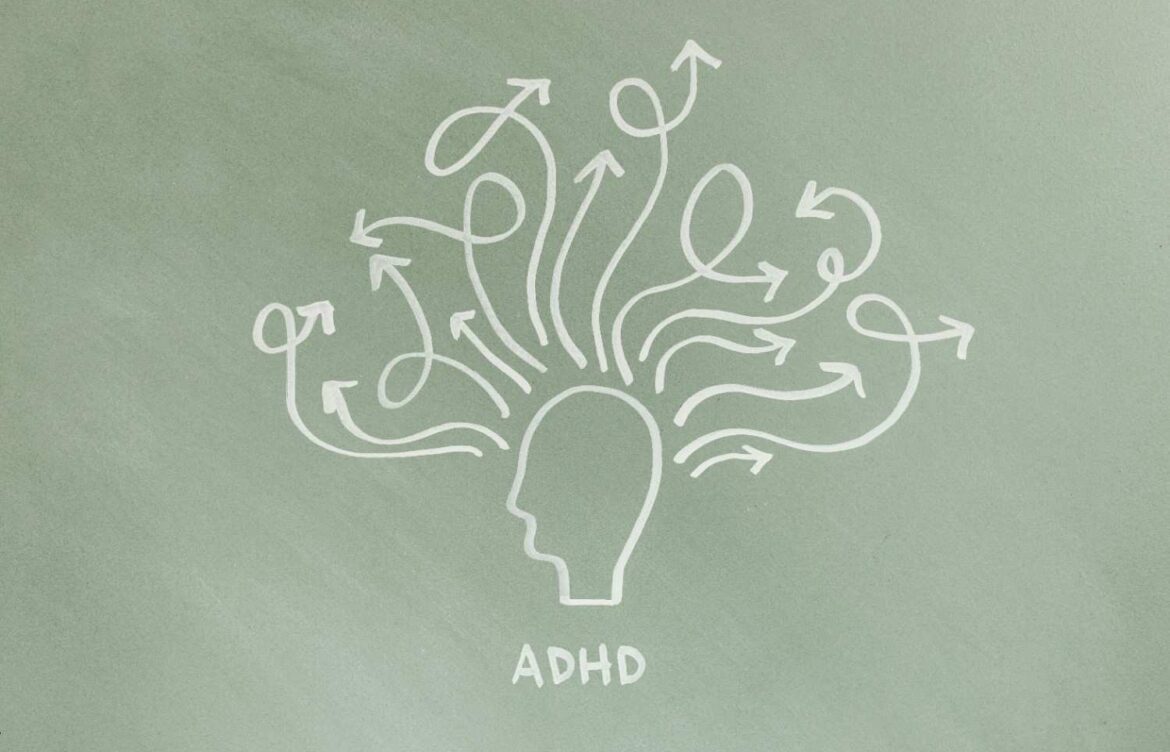
ADHD (Attention-Deficit/Hyperactivity Disorder) is a condition that makes it hard for people to focus, stay organized, and control impulses. The main symptoms include inattention, hyperactivity, and impulsivity. These challenges can affect daily routines, learning in school, and performance at work. Understanding how ADHD works can make it easier to manage and support those living with it.
The Main Symptoms of ADHD
Inattention
People feel trouble focusing on tasks that are to perform and while conversations
They Forgets details of any conversation and loss items often
Difficulty staying organized or following instructions
They get distraction easily without interference of other
Making careless mistakes in schoolwork or projects
Hyperactivity
Restlessness, fidgeting, or difficulty sitting still
They Talk more than usual or interrupt others while talking
It is very difficult for them to set calmly
Difficulty engaging in slow or quiet activities
Impulsivity
Acting too quickly without thinking about good or bed result
Interrupting conversations or activities remain common
Trouble waiting for a his/her turn
Making quick decisions that mostly leads to mistakes
How ADHD Affects Daily Life
ADHD often affects simple routines and responsibilities:
The people with ADHD condition not planed the tasks and their important task remain unclear. Scheduling of key to succeed but ADHD remain fail to do so, In the result they mostly feel harm relationship and stress.
Feeling frustrated in common issue the peoples of this nature, they feels very difficult to handle the so easy problems resultantly relationship, decision making skill and overall wellbeing may effect.
Mind destruction and forgetfulness is very dangerous for relationship. Promises and plans that forgotten, feelings that are payed full attentions caused weaken trust over the time. Better focus, reminders, and honest communication can reduce these issues.
Even everyday tasks like paying bills or preparing meals can become stressful when focus and organization are difficult.
How ADHD Impacts School
ADHD often becomes noticeable in school settings, where students are expected to focus, follow instructions, and stay organized. Children with ADHD may find it difficult to pay attention during lessons, which can cause them to miss important details. Homework often becomes a challenge as they may forget assignments, misplace materials, or leave tasks incomplete. In the classroom, behaviors such as fidgeting, talking out of turn, or interrupting the teacher are common, which can sometimes be misunderstood as misbehavior rather than symptoms of ADHD. Over time, these repeated struggles can affect a child’s confidence, leading to frustration and lower self-esteem. However, with proper support such as structured routines, extra tutoring, and classroom adjustments, students with ADHD can learn effectively and achieve success in their education.
How ADHD Impacts Work
In adults, ADHD often becomes noticeable in the workplace, where focus, organization, and time management are essential. Many experience “time blindness,” making it easy to lose track of time or miss meetings. Productivity can also be affected, as procrastination or frequently switching between tasks reduces efficiency. Communication may suffer too, with details from conversations being forgotten, which can cause misunderstandings. Over time, these challenges can lead to stress and burnout when trying to balance workload with ADHD struggles. At the same time, adults with ADHD often bring unique strengths such as creativity, high energy, and strong problem-solving skills especially when working on tasks that match their interests and passions.